Top Tips for Choosing an Engine Replacement Shop Near Me
Top Tips for Choosing an Engine Replacement Shop Near Me
Blog Article
At the heart of every vehicle lies an intricate engine, comprised of a multitude of parts, with each part serving a significant function. For automotive enthusiasts and regular drivers alike, having a clear understanding of engine components is paramount for effective maintenance and repair. By identifying the individual parts and understanding their operations, you can enhance your ability to carry out repairs or replacements and ensure that you make the best choices for your vehicle’s needs the official site. If you're considering purchasing engine parts or wish to explore what’s available, it’s important to grasp the different engine component types before making your decisions. The intricate design of an engine includes a diversity of parts that collaboratively convert fuel into mechanical energy. An engine typically consists of both moving and stationary elements such as the engine block, crankshaft, camshaft, pistons, and cylinder heads, among others. The engine block serves as the central structure, containing the cylinders where the pistons are situated. Meanwhile, the crankshaft takes the linear motion generated by the pistons and converts it into rotational energy, which powers the vehicle. Furthermore, other critical systems, including the fuel system, exhaust system, and cooling system, incorporate essential parts that ensure the engine operates smoothly and effectively. Engine components can generally be classified into internal and external parts. Internal components, such as the pistons, crankshaft, and camshaft, work in conjunction to promote the combustion process. External components, including the intake and exhaust manifolds, timing belts, and exhaust systems, are indispensable for regulating airflow and managing emissions. Understanding these various components is crucial for simplifying the selection process, whether you are searching for used engines nearby or considering a comprehensive engine rebuild. When searching for engine parts, it’s essential to evaluate your options carefully. Start by identifying reputable engine shops near you, ensuring they have a solid track record for quality and service. Visiting such shops can provide insight into available inventory, whether you’re inquiring about engines for sale or seeking specialized components for an engine replacement shop near you. Ratings and reviews can provide a clearer picture of what to expect, helping you choose the best place to buy rebuilt engines. The cost of engine parts varies widely depending on the make and model of your vehicle, as well as the type of parts required. For example, remanufactured engine parts may offer a cost-effective solution compared to brand new components but might still carry a higher price tag compared to used parts. When budgeting, consider the expense of labor if hiring a mechanic or the tools if opting for a DIY approach. Investigating options such as remanufactured engines and used engines for sale near me may reveal significant savings, especially for older or classic vehicles.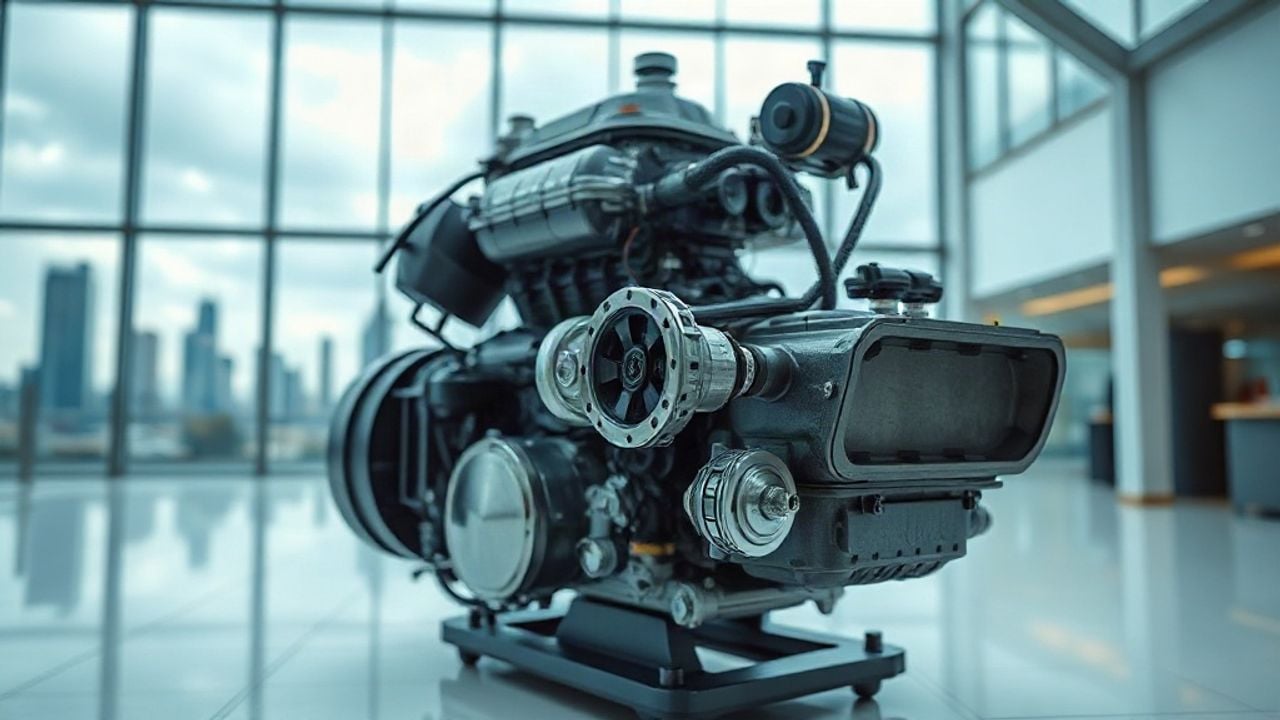 engines for saleengines for sale guide
Overview of Engine Parts
Types of Engine Parts
Finding the Right Parts for Your Engine
Cost Considerations and Budgeting
Engine parts
Tips for Maintaining Engine Parts
Regular maintenance is key to extending the lifespan of engine components. Simple practices such as timely oil changes, coolant flushes, and using quality fuel can make a significant impact.
- Stay up to date with service schedules to prevent major engine issues.
- Use the manufacturer’s recommended engine oil to help lubricate moving parts effectively.
- Inspect timing belts and hoses regularly for signs of wear or damage.
- Monitor the engine temperature, as overheating can lead to severe engine damage.
- Replace filters regularly to ensure optimal air and fuel flow to the engine.
Steps to Source Engine Parts Effectively
- Identify Your Vehicle's Engine Specification: Before shopping, make a note of your engine's make, model, and year. This information is crucial for finding compatible parts.
- Search for Local Engine Shops: Use online maps or directories to locate engine shops near you, focusing on those that boast positive customer reviews and specialized services.
- Compare Pricing: Visit several shops to compare prices for the parts you need, including rebuilts and used engines. Understanding the market rate helps ensure you avoid overpaying.
- Verify Part Quality: Ask about warranties or return policies on parts. High-quality components often come with guarantees, reflecting the seller's confidence in their merchandise.
- Consider Online Purchase Options: Explore online platforms for purchasing engine parts, particularly for hard-to-find items. Look for sellers with comprehensive ratings.
- Schedule Installation: Once you acquire your parts, arrange for professional installation unless you have the skills and tools for self-installation.
Frequently asked questions
What are engine parts?
Engine parts consist of numerous pieces that collectively form an engine, including internal components such as pistons and crankshafts alongside external parts like fuel manifolds and cooling systems. Every single part plays a vital role in the engine's performance.
How do I choose an engine parts provider?
Choosing the right provider for engine parts requires you to research local suppliers, peruse customer reviews, and evaluate their prices for quality assurance. Recommendations from acquaintances can also provide insight into reliable options.
How much do engine parts cost?
Engine parts prices vary widely depending on the specific component and its condition—new, used, or remanufactured. Typically, parts for standard vehicles are less expensive, while those designed for specialty or luxury vehicles often carry a higher price tag.
Where can I find used engines for sale?
You can often discover used engines at local scrap yards, engine supply shops, or through online platforms dedicated to automotive sales, providing numerous options that cater to your specific preferences.
Are rebuilt engines reliable?
Rebuilt engines tend to be reliable, particularly when the refurbishment is conducted by reputable mechanics, as they undergo comprehensive inspections and upgrade processes to satisfy or exceed original factory specifications, ultimately extending the vehicle's durability.
Having a solid grasp of engine components is crucial for those who wish to manage their vehicle's upkeep effectively. Familiarity with these parts, alongside the right installation techniques, can significantly improve your car's performance and extend its lifespan.
By dedicating time to understand what your engine requires, you can reduce costs and boost your car's dependability for many years ahead.
When assessing engine parts, prioritize evidence of results, transparent reporting, and whether the strategy aligns with your market and timeline. Ambiguous guarantees lacking a measurement framework are red flags.
Inquire about how progress is monitored, what is mandatory versus optional, and how the provider adapts methods if traffic or rankings stagnate. A written agreement prior to payment safeguards both parties.